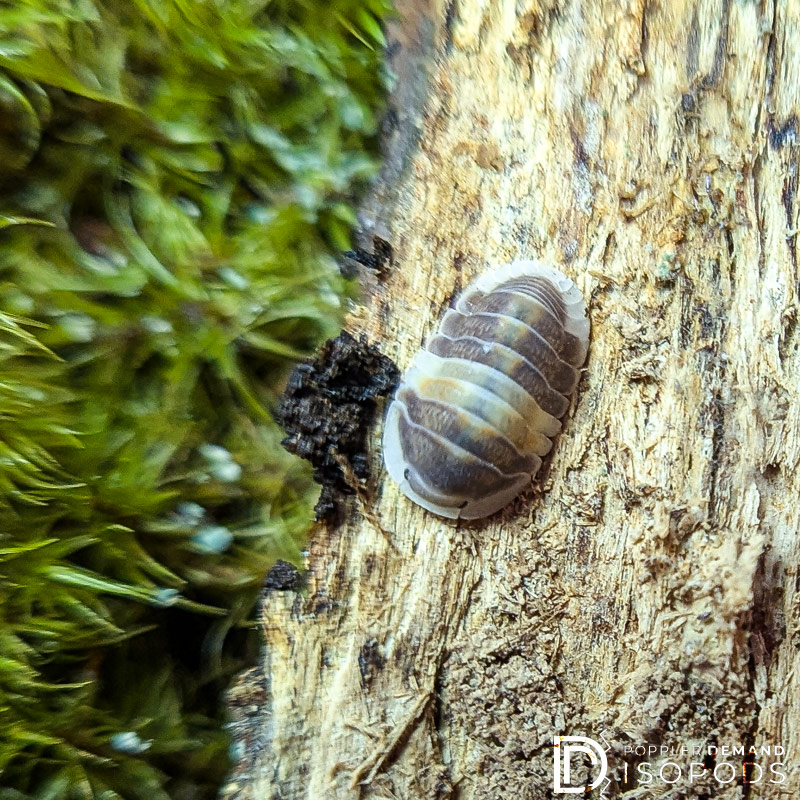
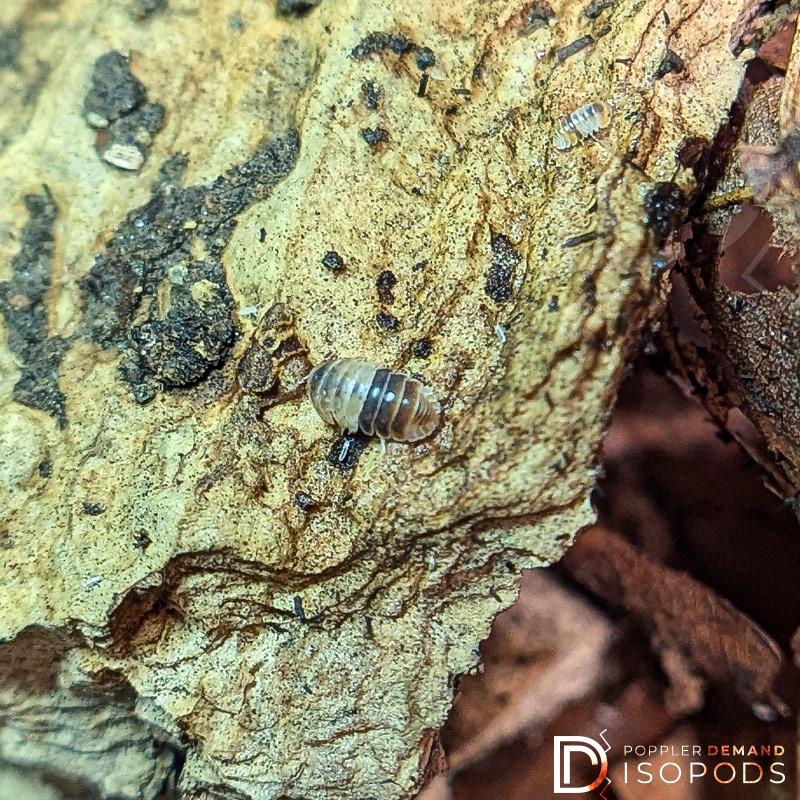
Description
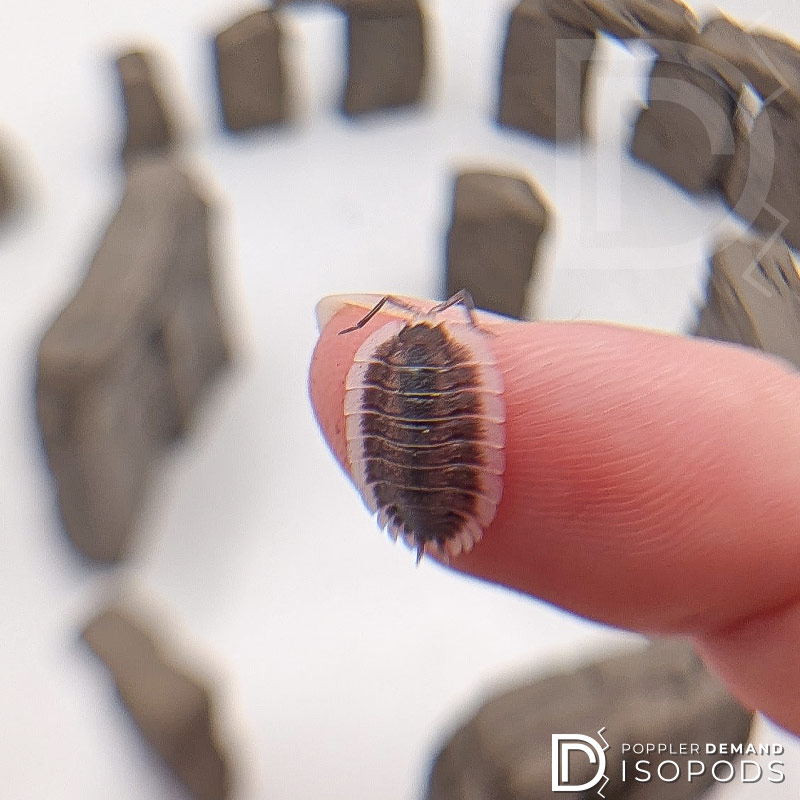
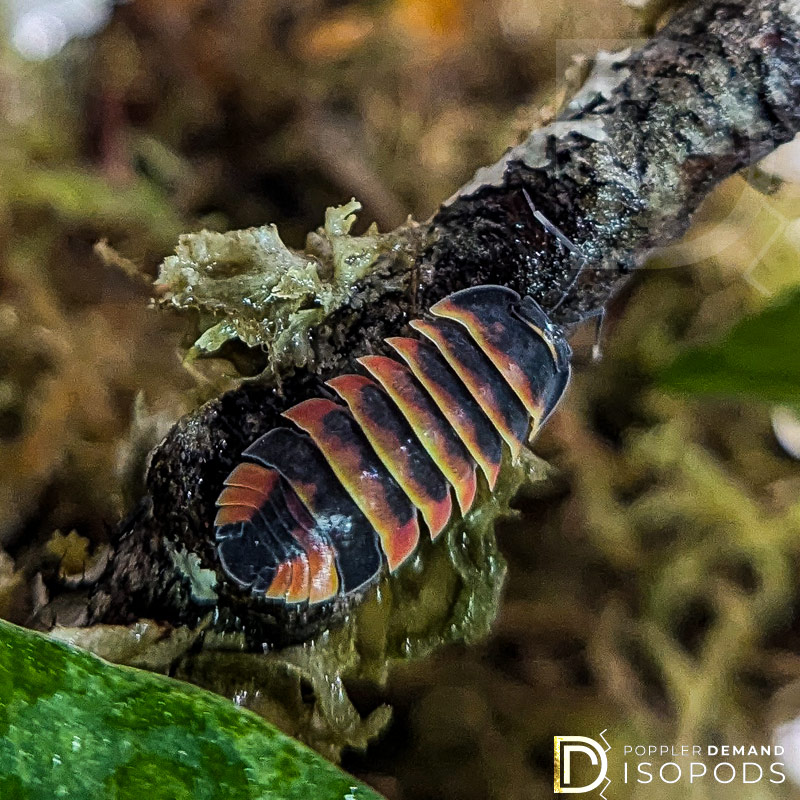
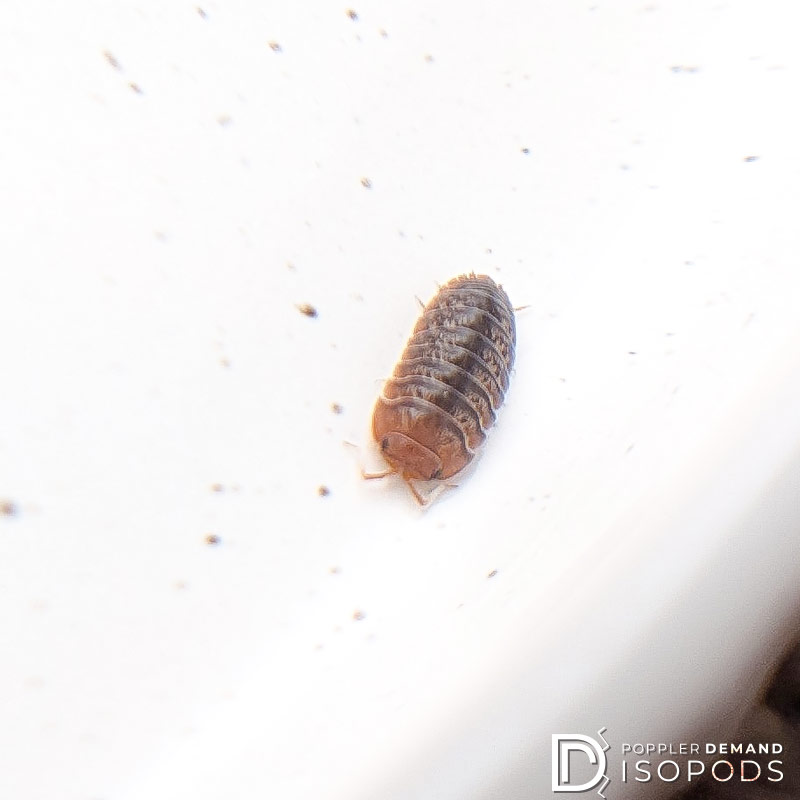
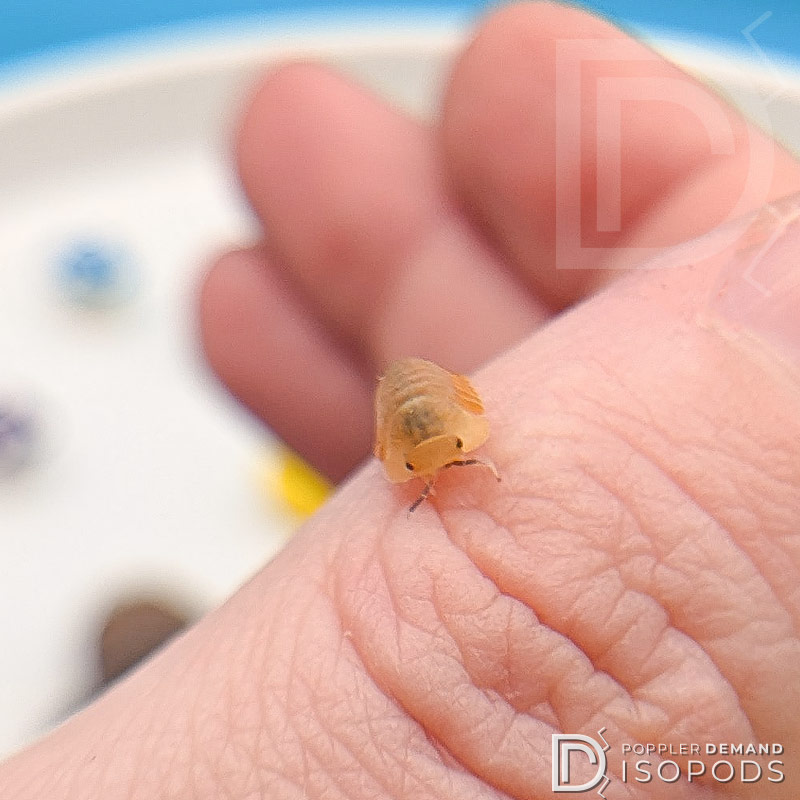
The iconic Rubber Ducky isopod quickly went viral upon their discovery in 2017. With a distinct “ducky” face, their appearance is highly sought after in the industry. Ironically, they love to burrow and hide, so Ducky sightings may be rare until you have a well-established colony.
They’re cute as can be and rewarding to keep, but not beginner-friendly. Duckies will require stable humidity and a good deal of patience.
Breed Rate: Slow
Origin: Thailand
Adult Size: 12-20 mm, 1.2-2 cm, .5-.8 in
Temperature: 70-82F
Habits: Shy, reclusive burrower. Will roll into a perfectly imperfect ball when threatened, or attempt to flee! Surprisingly quick little duckies.
Husbandry: High Humidity (80-90%), Damp and Deep Substrate, Live Moss, Offer Plenty of Cover like Flat/Cork Bark, Leaf Litter, Wood Rot, Limestone, and Seed Pods (Magnolia, Sweet Gum, Lotus)
Primary Diet: Decaying Organic Matter, Leaf Litter, and Wood Rot
Supplemental Diet: Fish Flakes, Dried Shrimp, Cuttlebone or Egg Shells, Sweet Potatoes, Carrots, Butternut Squash, Freeze-Dried Peas, Dried or Dead Insects, Zucchini, Cucumber, Commercial Food like Repashy Morning Wood
Important Note: Ask if a breeder’s line came from 2017 OG Import Line, as many breeders have muddy genetic lines mixed in that affect value. Poppler Demand’s Rubber Duckies are indeed from the 2017 Import Line. You can usually tell by coloration, as OG Duckies boast dark saddles with bright yellow heads and tails. They don’t throw amber or pink.