

Description
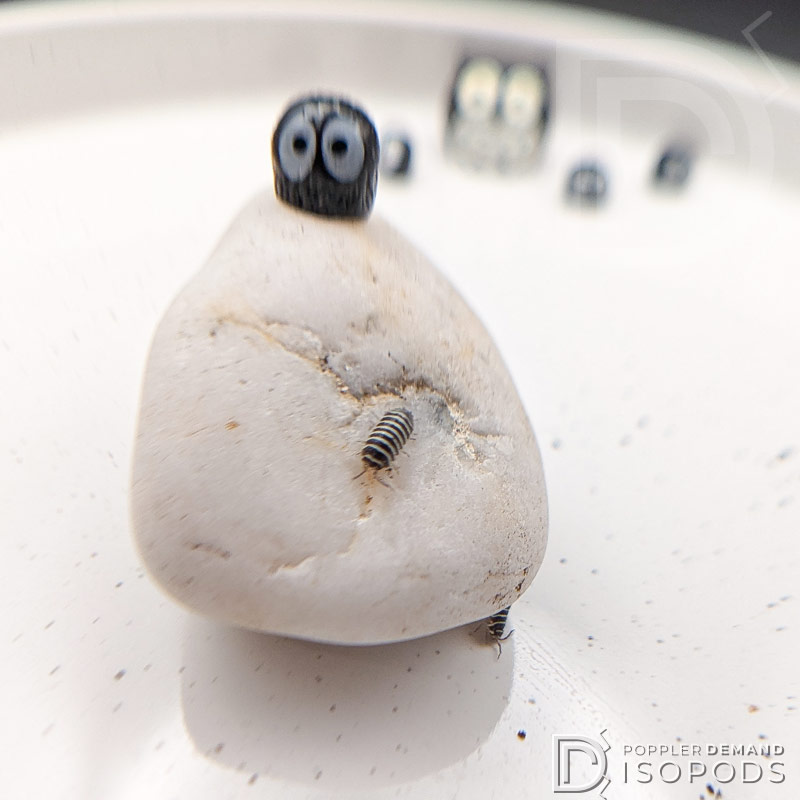
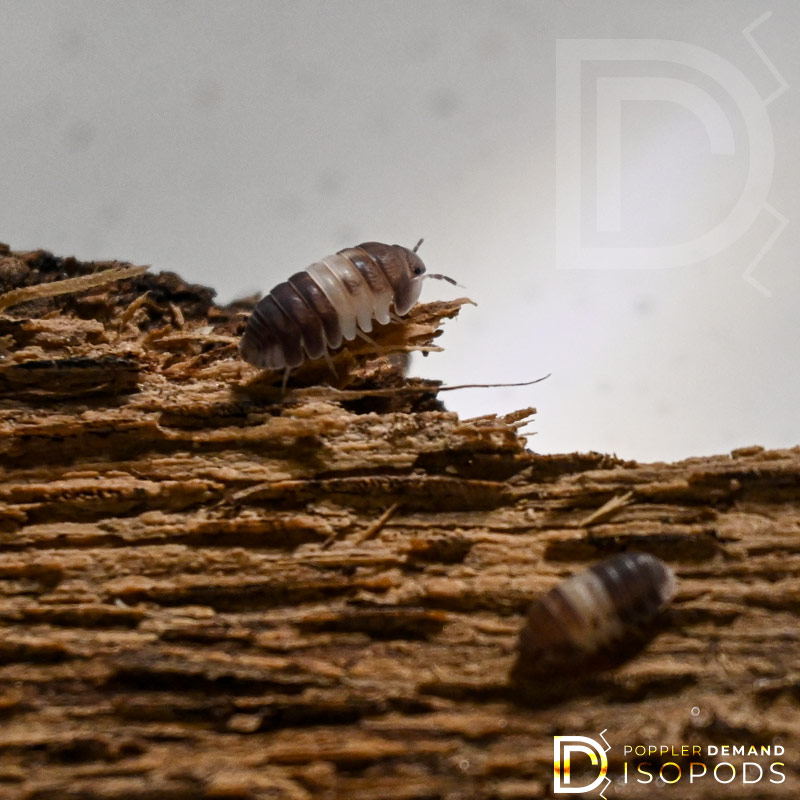
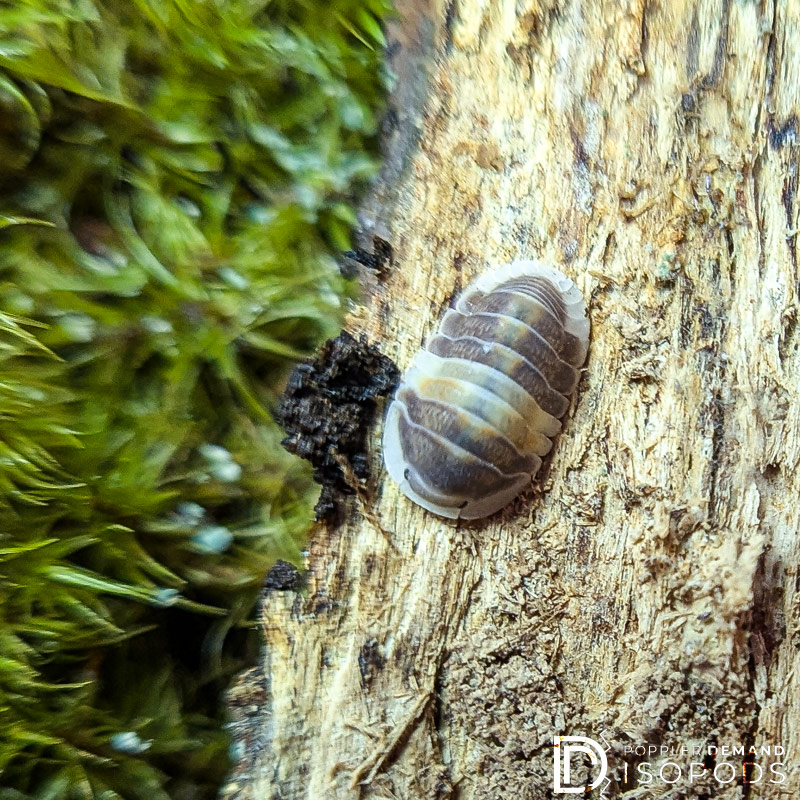
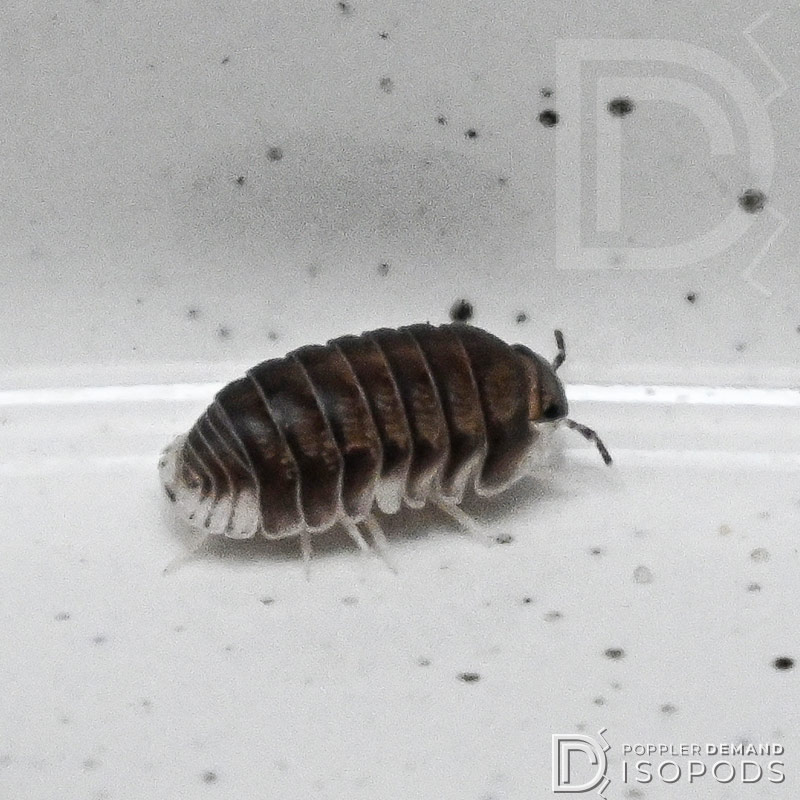
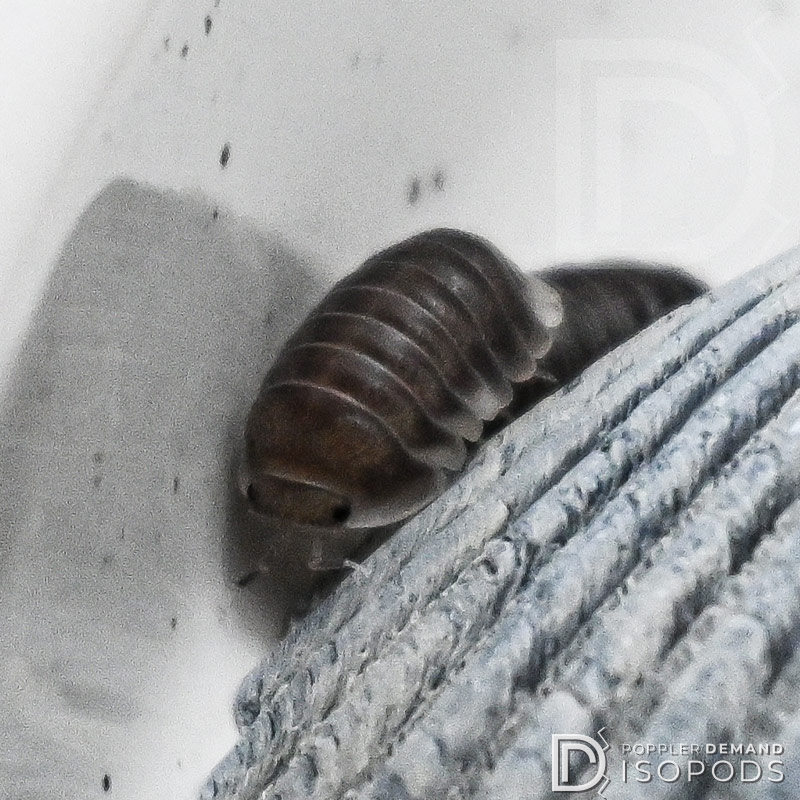
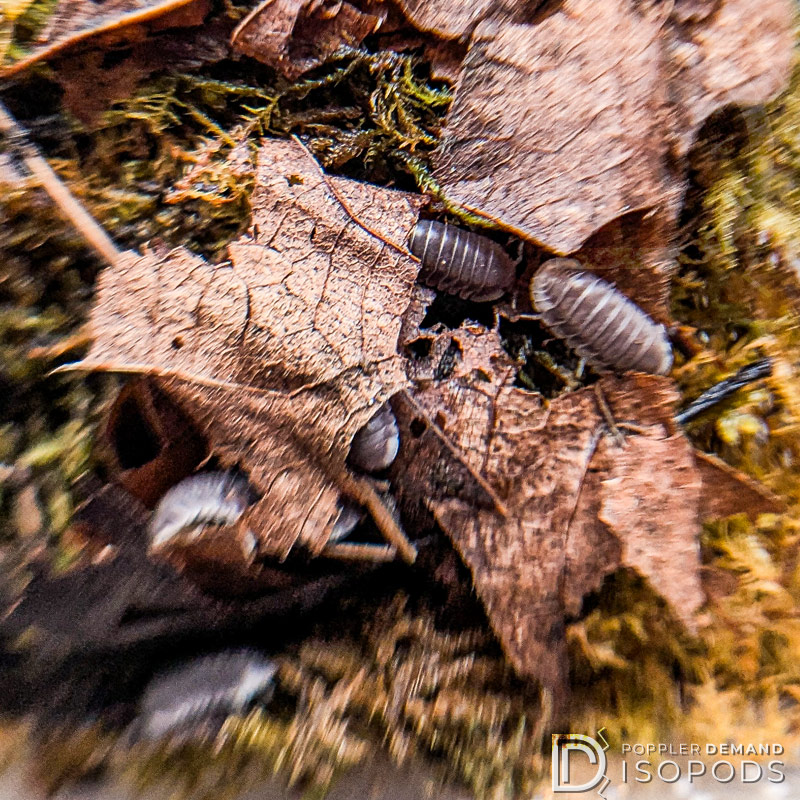
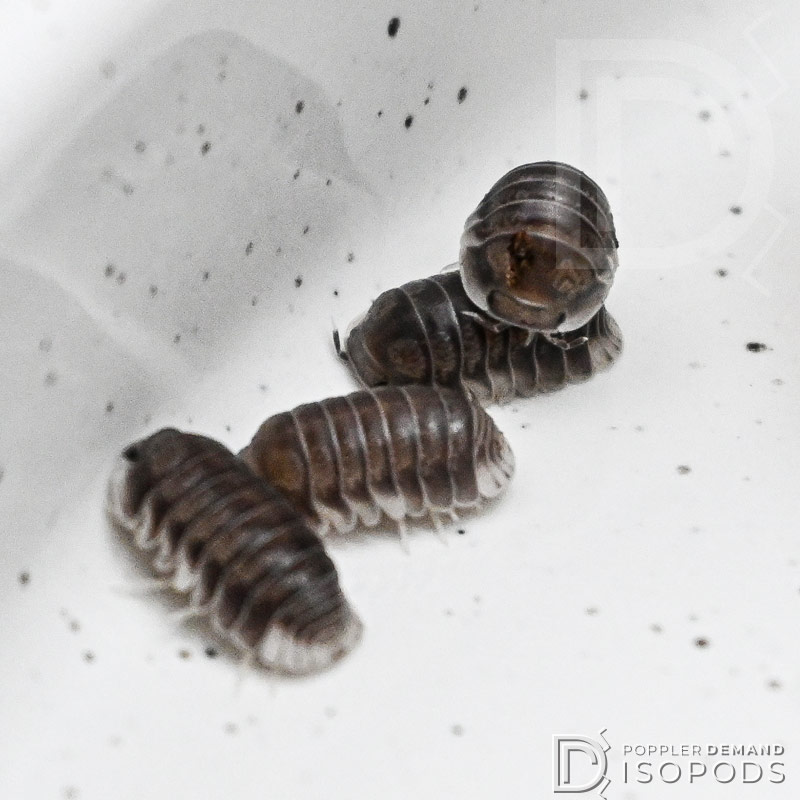
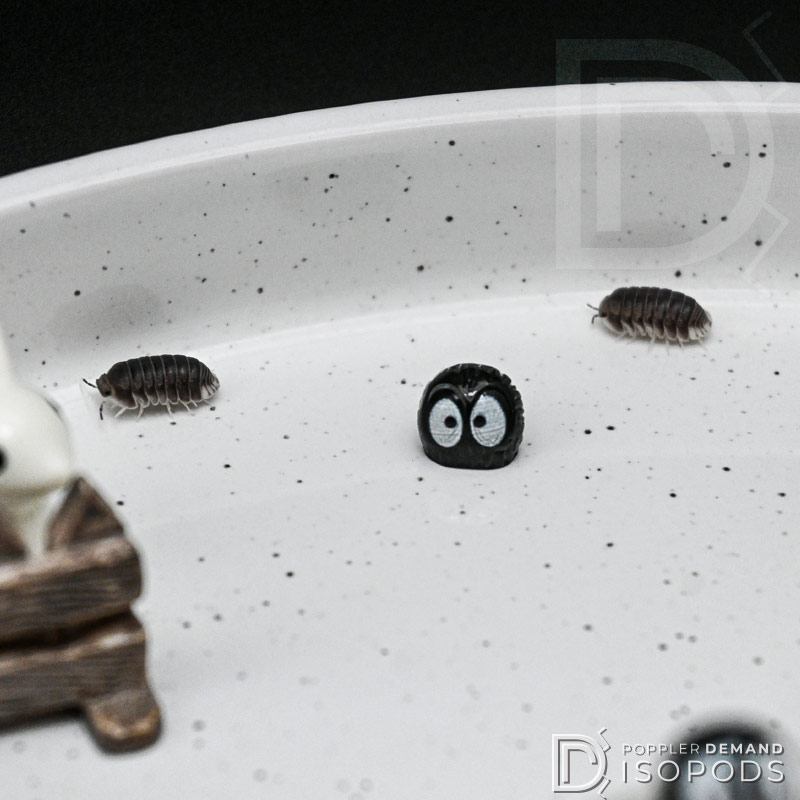
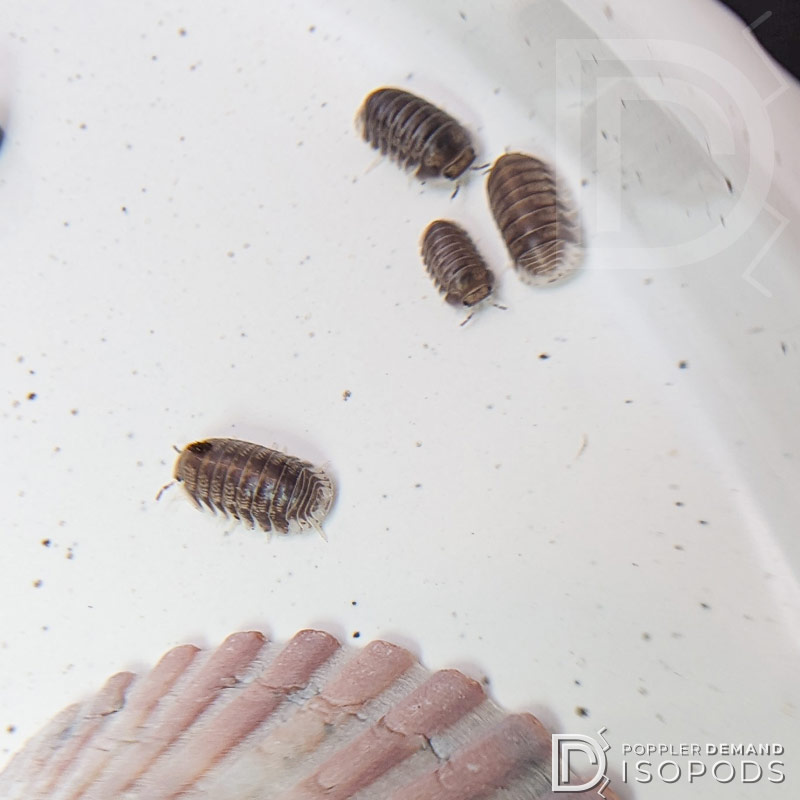
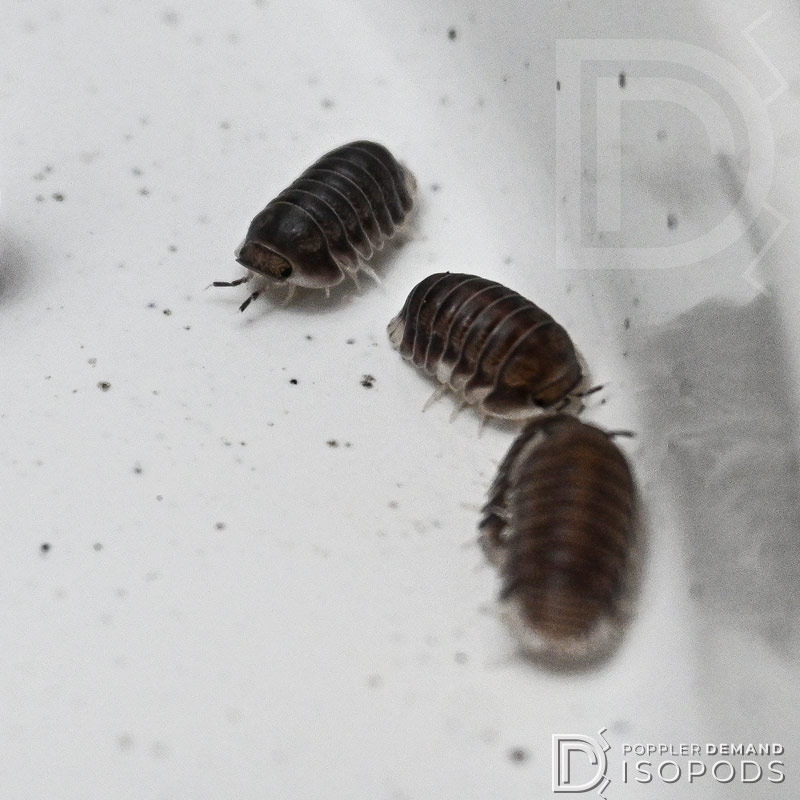
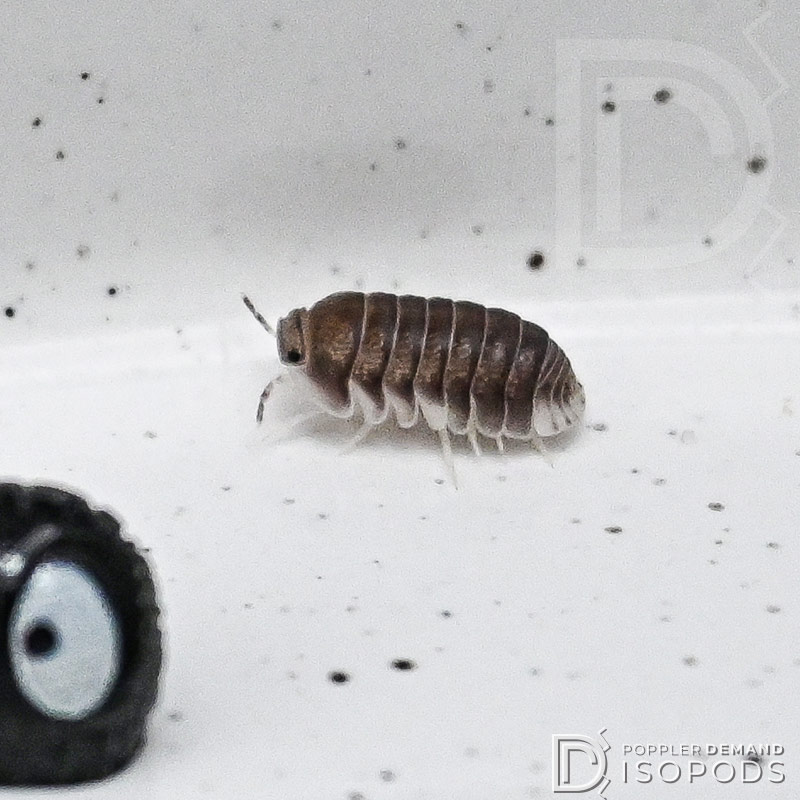
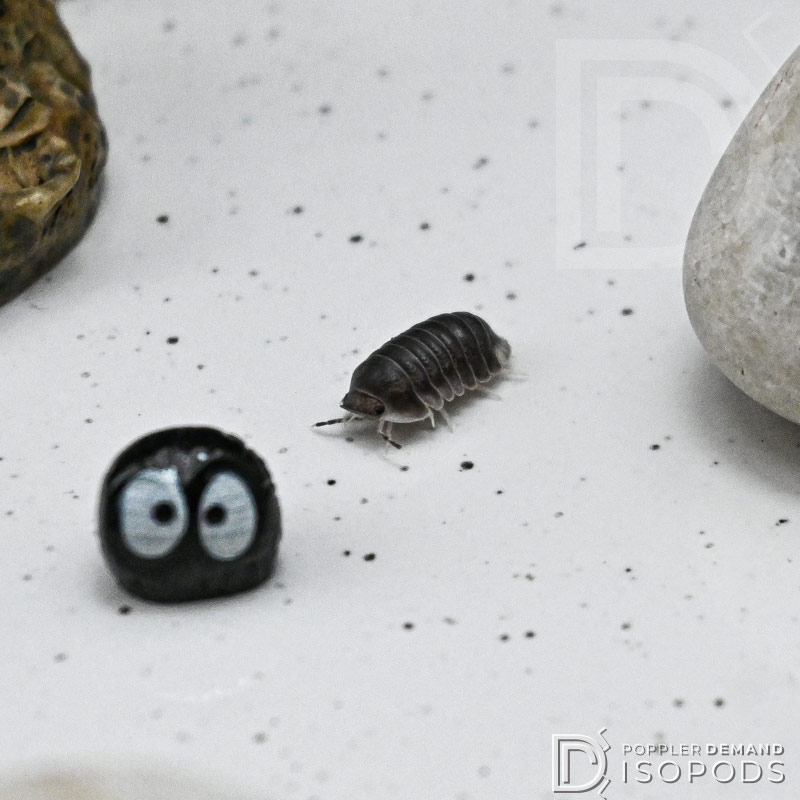
With their dark bodies contrasted by bright white skirts and rear segments, Penguin isopods carry a look that’s unmistakably their own. It’s almost like they’re dressed for a formal occasion beneath the soil.
Like many Cubaris species, Penguins are masters of disappearing acts. They love to burrow deep into the substrate, creating hidden networks where they spend most of their time. Because of this, sightings can be rare, especially in newer setups. Don’t be alarmed if your enclosure seems empty at first; once the colony becomes established, you’ll start to observe more movement and activity.
To keep Penguins thriving, aim for a consistently humid environment with plenty of depth for burrowing.
Breed Rate: Slow
Origin: Cambodia, Thailand
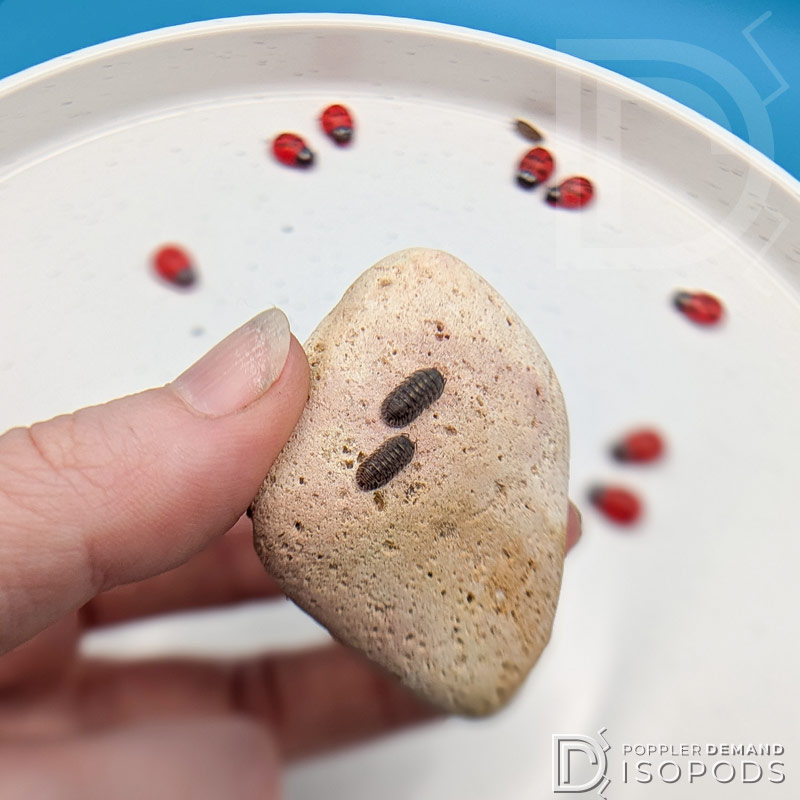
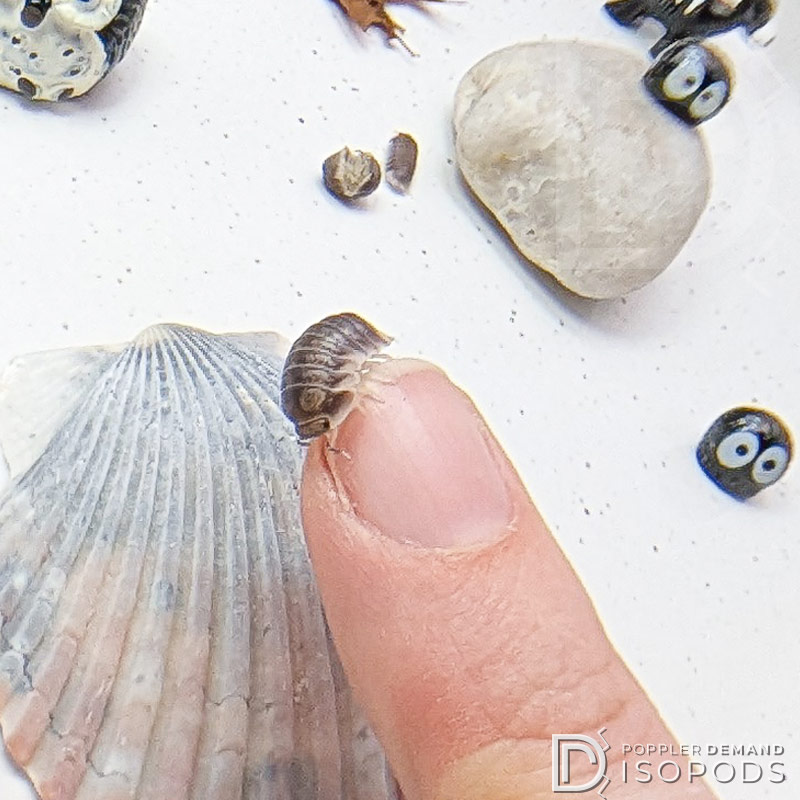
Adult Size: 10-15 mm, 1-1.5 cm, .4-.6 in
Temperature: 72-80F
Habits: Shy, secretive, and fossorial. They’re often found underground. Penguins can roll into a ball to protect themselves when threatened.
Husbandry: High Humidity (80-90%), Damp and Deep Substrate, Live Moss, Offer Plenty of Cover like Flat/Cork Bark, Leaf Litter, Wood Rot, Limestone, and Seed Pods (Magnolia, Sweet Gum, Lotus)
Primary Diet: Decaying Organic Matter, Leaf Litter, and Wood Rot
Supplemental Diet: Fish Flakes, Dried Shrimp, Cuttlebone or Egg Shells, Sweet Potatoes, Carrots, Butternut Squash, Freeze-Dried Peas, Dried or Dead Insects, Zucchini, Cucumber, Commercial Food like Repashy Morning Wood