


Description
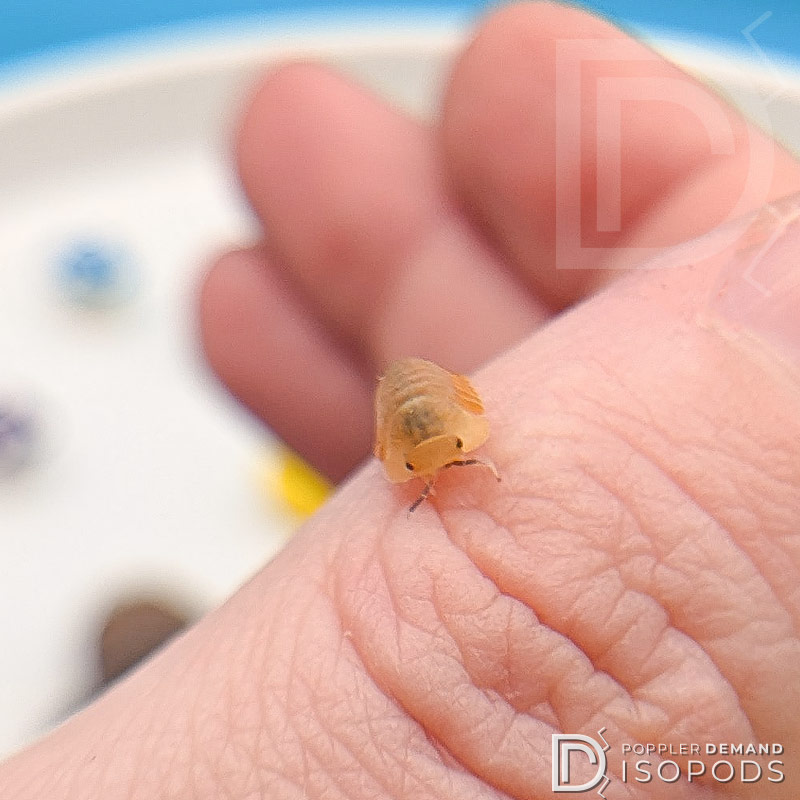
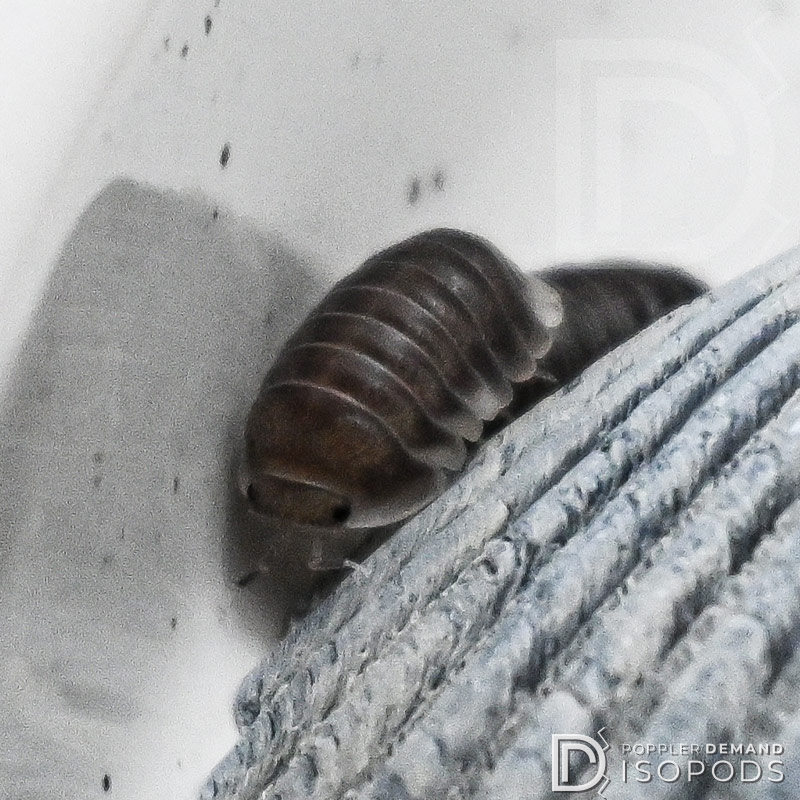
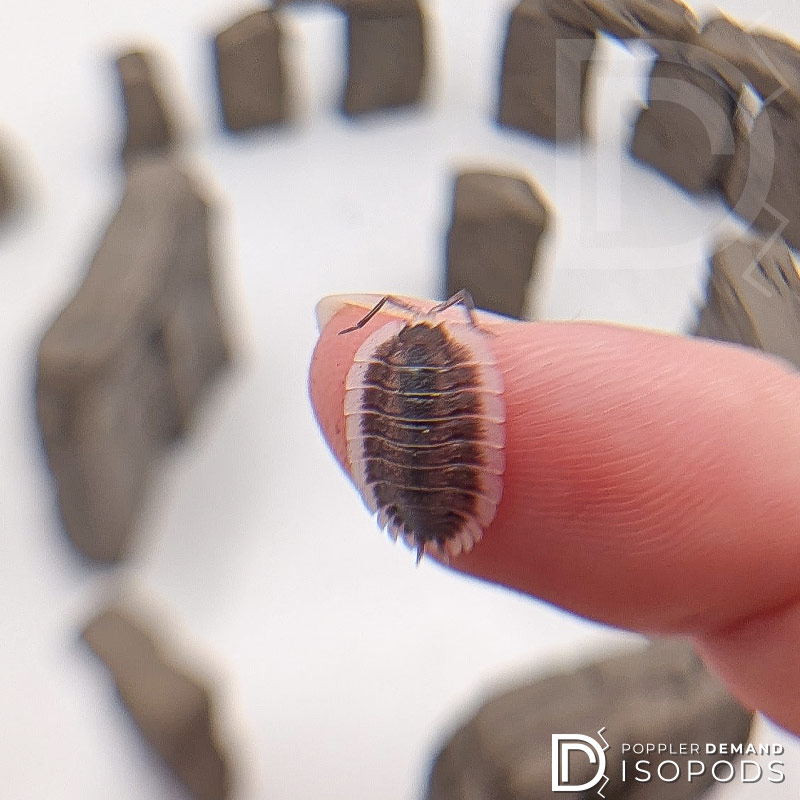
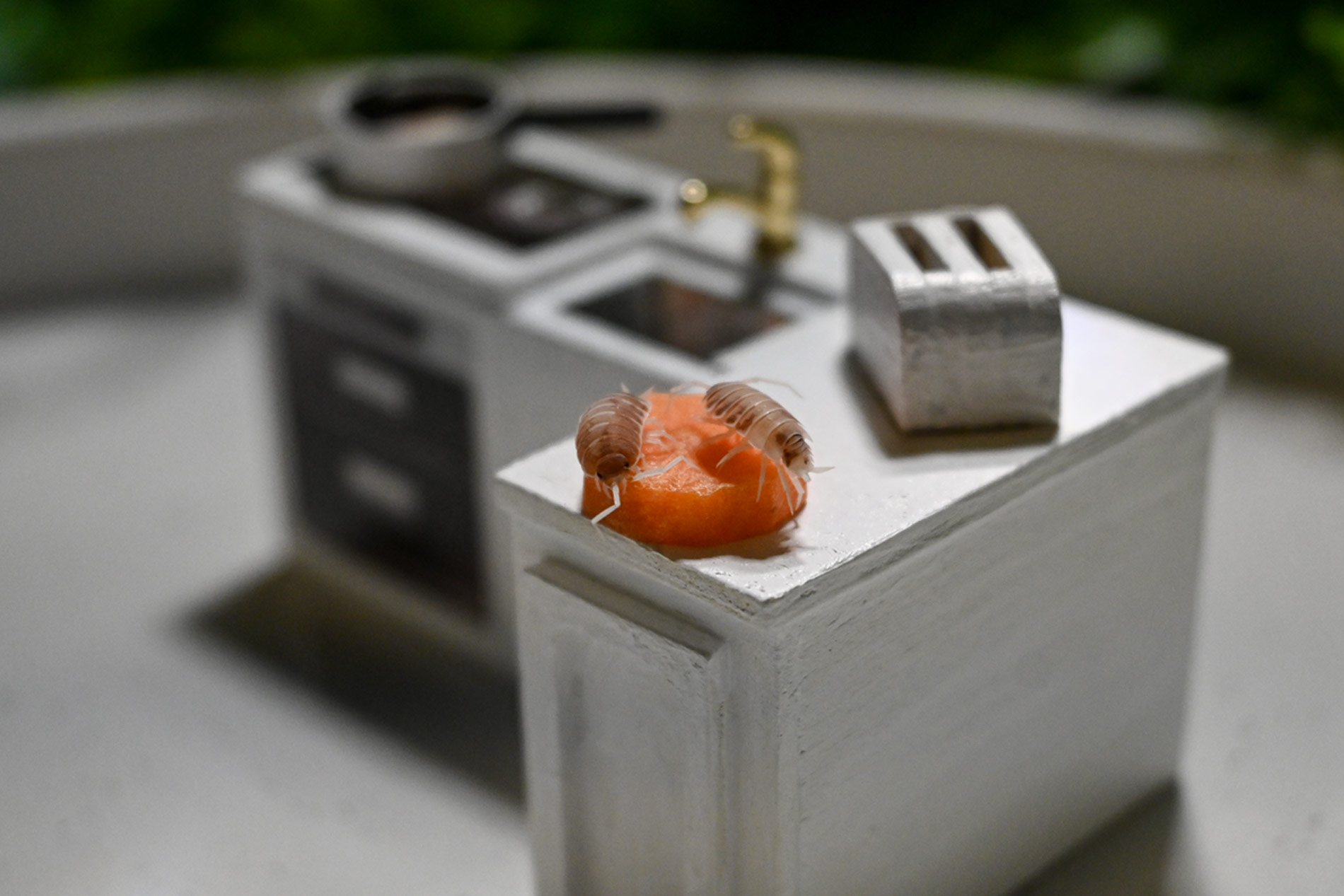
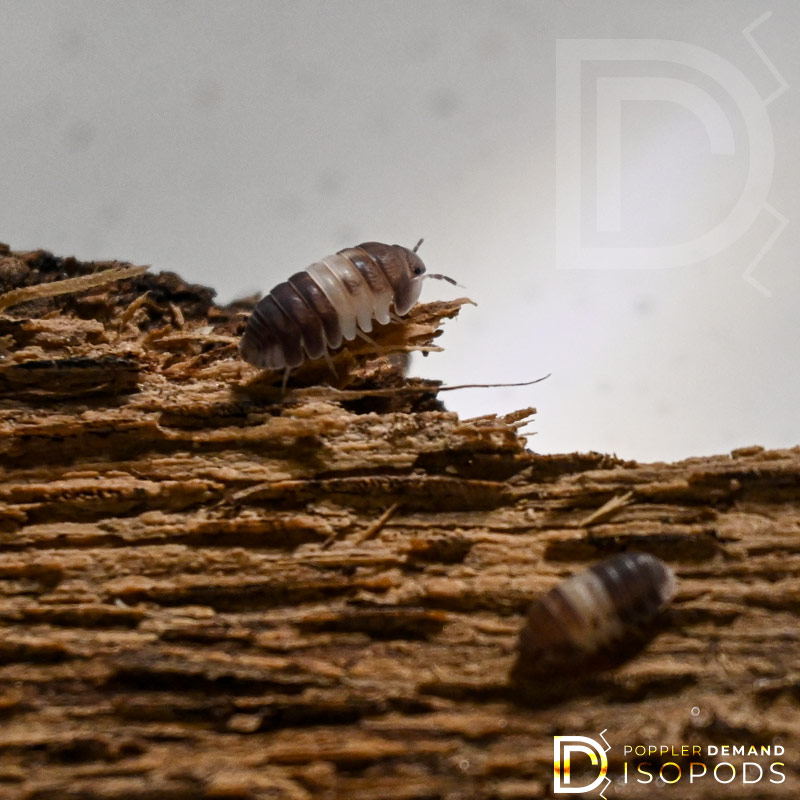
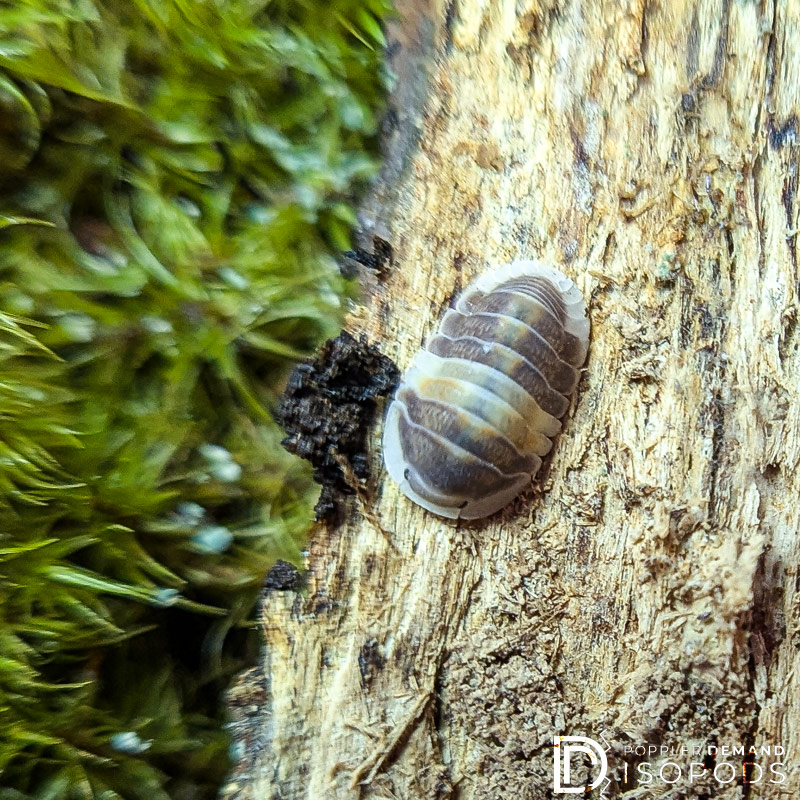
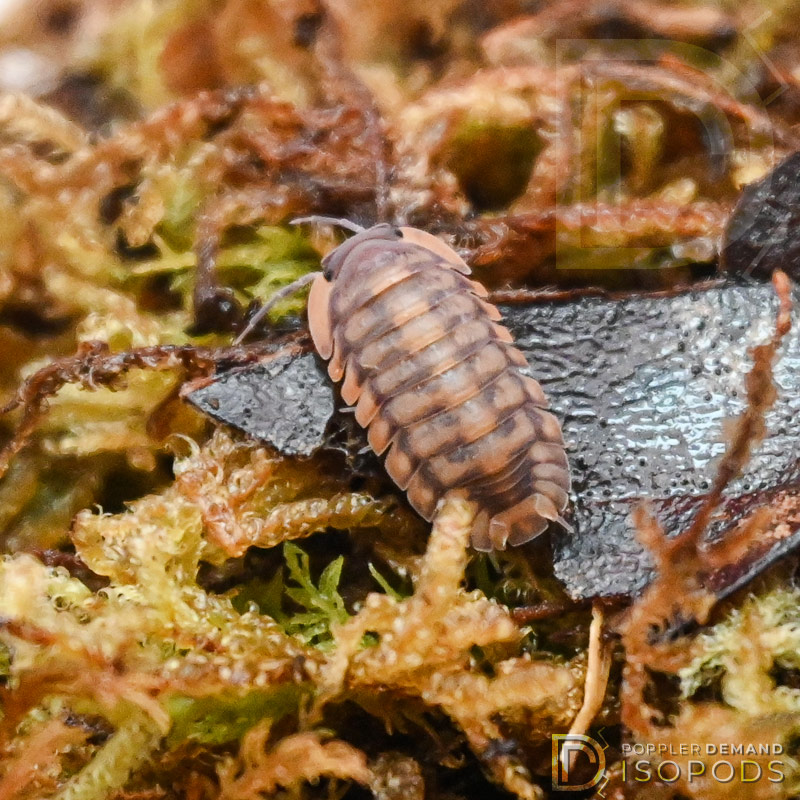
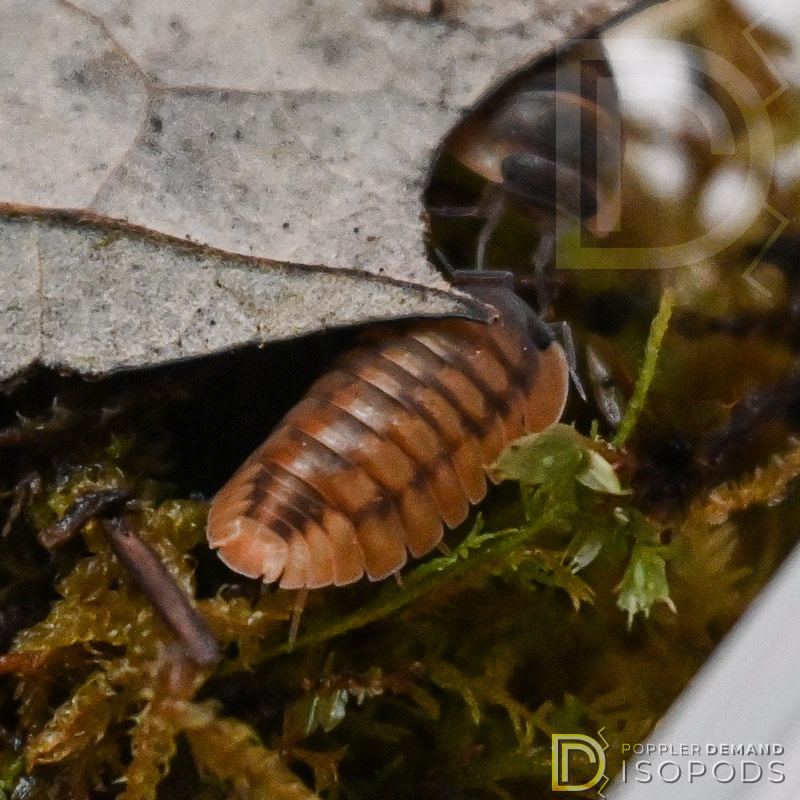
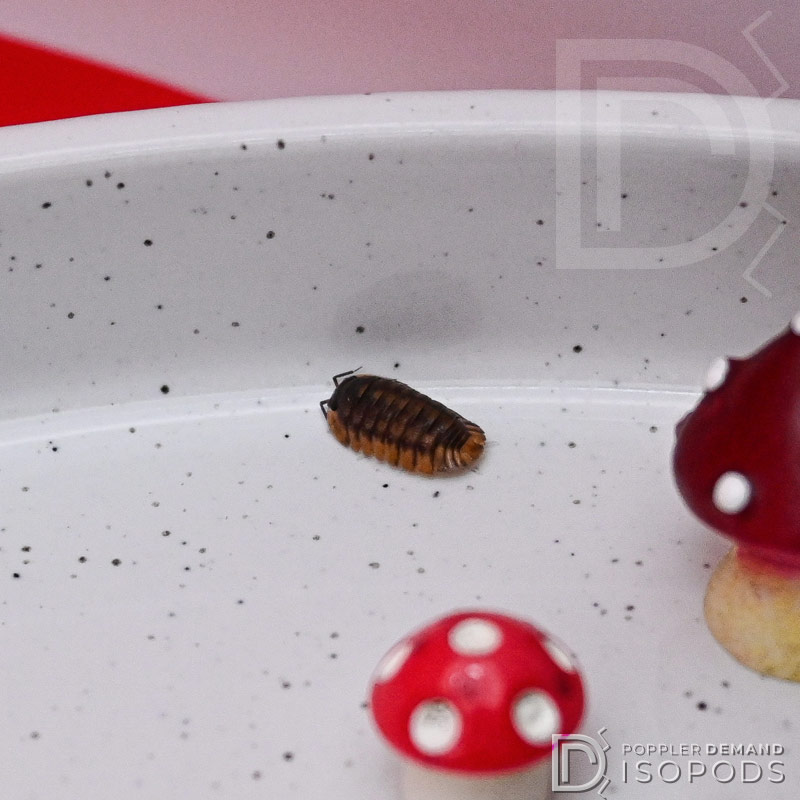
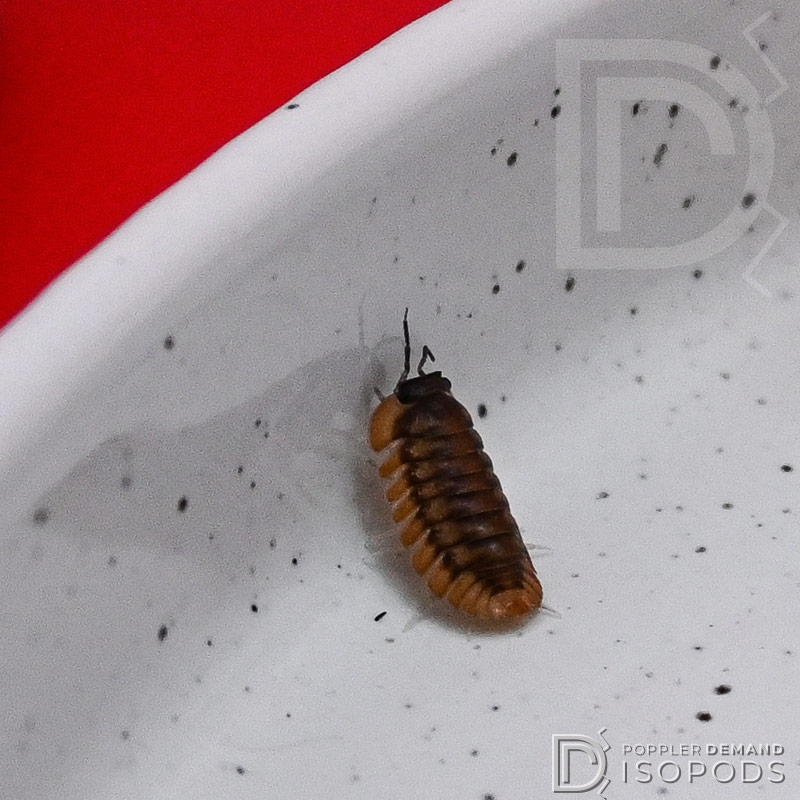
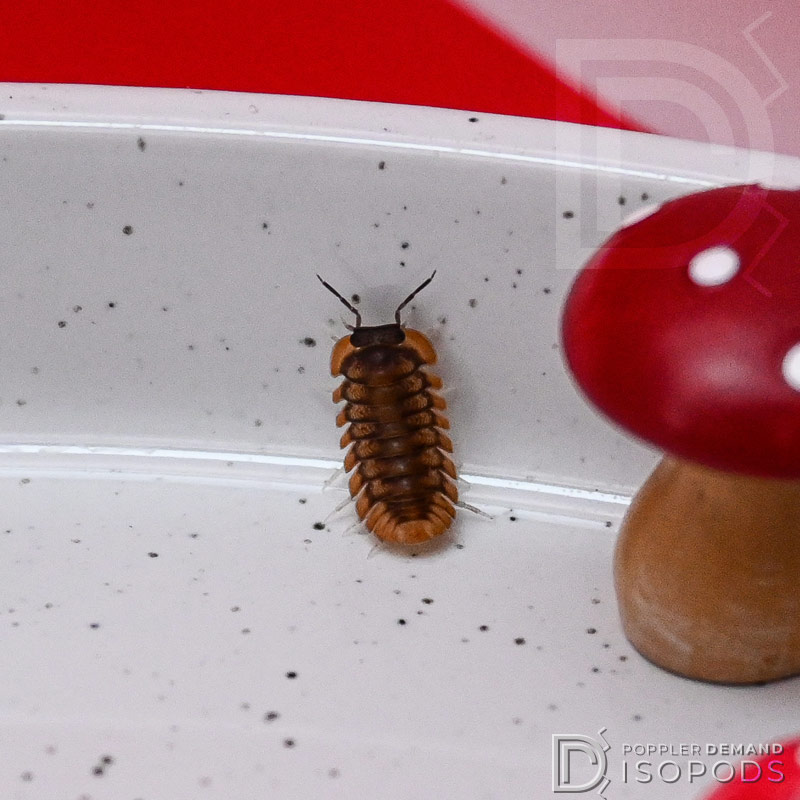
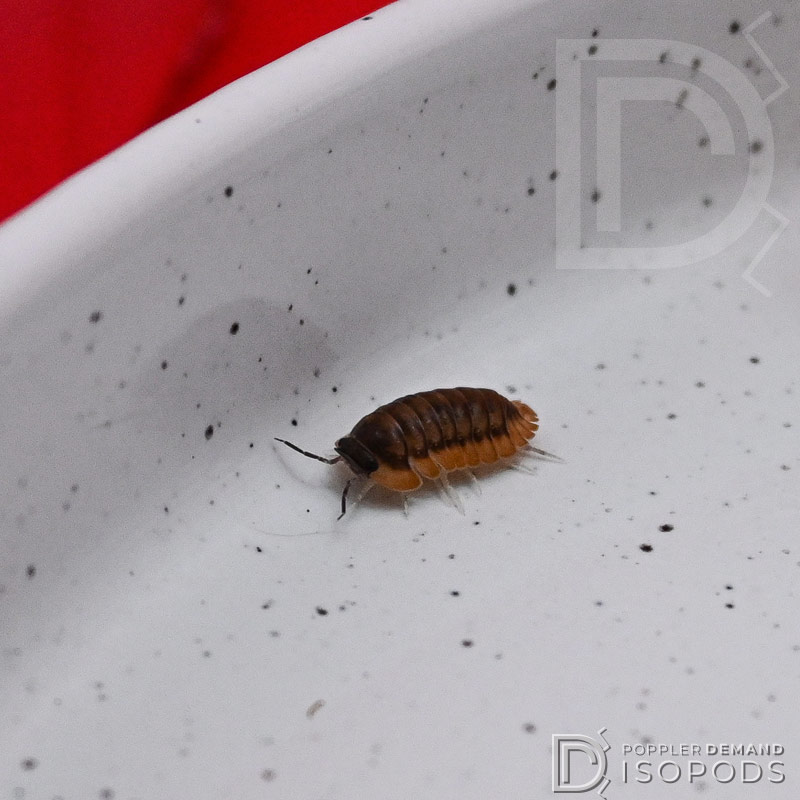
The Nesodillo sp. “Red Tiger” isopod is known for its vivid coloration and active personality. Their bright red-orange tones paired with dark striping or mottling give them a tiger-like appearance that stands out beautifully against natural substrates and moss.
Unlike many shy Cubaris species, Red Tigers are often visible exploring their enclosure, grazing on leaf litter, wood, and bioactive materials. They have a strong flight response, however, and will seek cover quickly if disturbed. Their activity level (especially at dusk) and coloration make them enjoyable to observe in well-established tropical setups. They should not be housed with predators, due to their skittish nature and picky eating habits.
Breed Rate: Moderate
Origin: Thailand
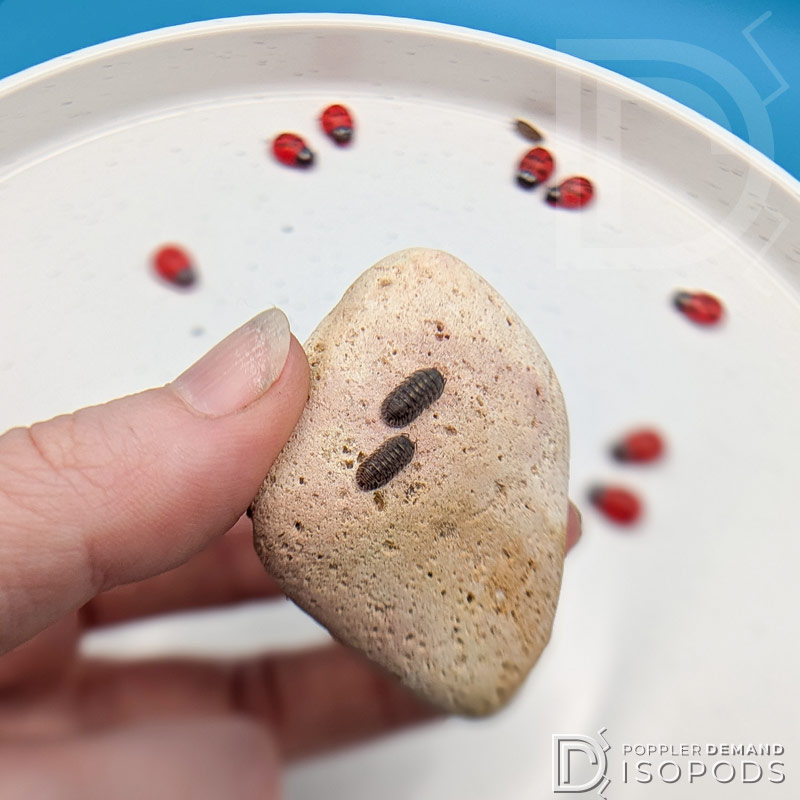
Adult Size: 15-18 mm, 1.5-1.8 cm, .6-.7 in
Temperature: 72-82F
Habits: Active surface explorers that frequently graze in the open if left unbothered. Most active during the evening and nighttime hours.
Husbandry: High Humidity (75-85%), High Ventilation, Damp and Deep Substrate, Live Moss, Offer Plenty of Cover like Flat/Cork Bark, Leaf Litter, Wood Rot, Limestone, and Seed Pods (Magnolia, Sweet Gum, Lotus)
Primary Diet: Decaying Organic Matter, Leaf Litter, and Wood Rot
Supplemental Diet: Fish Flakes, Dried Shrimp, Cuttlebone or Egg Shells, Sweet Potatoes, Carrots, Butternut Squash, Freeze-Dried Peas, Dried or Dead Insects, Zucchini, Cucumber, Commercial Food like Repashy Morning Wood
Red Tigers were formerly classified as Cubaris sp., but were reclassified as Nesodillo sp. They possess unique physical features that distinguish them from Cubaris, and as more research and taxonomic work is done on these unique creatures I’m sure we will see more species move away from the Cubaris sp. blanket.